


By Todd Pooler, REALTOR® · The Pooler Group | Realty ONE Group · Updated October 3, 2026
Get a mortgage that fits your budget—and your plans.
To get a mortgage to buy a home in Surprise, start with a comfortable payment, organize your financial documents, and speak with qualified lenders. Then compare actual loan offers before choosing the loan you will use.
A lender’s maximum approval amount is not the same as your ideal budget. This guide explains the steps, the questions to ask, and how financing fits into your home purchase.
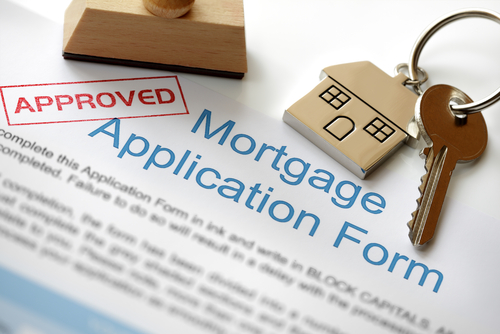
1. Set a comfortable total housing budget
Start with the monthly amount you can sustain while keeping room for savings and ordinary expenses. Include principal and interest, property taxes, homeowners insurance, mortgage insurance if applicable, HOA or recreation charges, utilities, solar payments, and maintenance.
Separate the cash needed for the down payment and closing from the reserves you want after moving. Do not choose a price solely because an online calculator displays an affordable principal-and-interest payment.
See a complete buying-budget example →
2. Organize the records your lender requests
Your lender determines the exact documentation. Common categories include:
- Income: pay statements, W-2s, retirement or benefit statements, and other applicable records.
- Self-employment: requested tax returns, business records, and current financial information.
- Assets: account statements showing the source of your down payment and reserves.
- Debts: information about mortgages, student loans, vehicle loans, and other obligations.
- Special circumstances: gift funds, a recent job change, a property sale, or other items needing explanation.
- VA eligibility: a Certificate of Eligibility and other documents the lender requests if you are exploring VA financing.
Provide sensitive financial records through the lender’s secure process. Ask what is missing and when updated records will be needed.
3. Request preapproval and understand its limits
The CFPB describes preapproval as a lender’s tentative willingness to lend up to a stated amount. Ask what the lender reviewed, what conditions remain, and when the letter expires.
Credit score, debt-to-income ratio, income documentation, assets, occupancy, property type, and loan program all affect underwriting. There is no single score or debt-ratio cutoff that describes every mortgage. Ask each lender which requirements apply to your situation.
4. Compare loan programs you may qualify for
| Program | Discuss with your lender |
|---|---|
| Conventional | Available low-down-payment options, qualification requirements, and mortgage insurance. You do not automatically need 20% down. |
| FHA | Down payments may be as low as 3.5% for qualifying borrowers. Compare upfront and ongoing mortgage-insurance costs. |
| VA | Eligible buyers may qualify for no down payment and no monthly mortgage insurance. Ask about entitlement, appraisal, the funding fee, and any exemption. |
| Jumbo or other specialized financing | Program-specific down payment, reserves, documentation, and property requirements. |
Program references: CFPB conventional loans · CFPB FHA loans · VA purchase loans. Eligibility and property requirements apply; zero down does not mean zero closing expenses.
5. Compare written Loan Estimates
Once you have a specific property and the required application information, request Loan Estimates from multiple lenders. Compare the same loan type, term, and amount, with comparable rate-lock assumptions. The CFPB comparison guide walks through the standard form.
- What is the full monthly payment, including estimated taxes and insurance?
- Does this rate require points, and what is the option without them?
- Are lender credits changing the interest rate?
- How much cash is due at closing, and what assumptions were used?
- What is locked, for how long, and what could still change?
A low advertised rate is only one part of an offer. Compare fees, mortgage insurance, cash needed, and the time you expect to keep the loan. Builder financing incentives should be compared with an outside loan on the same complete-cost basis.
Understand closing costs versus cash to close →
6. Keep financing on track after your offer is accepted
Respond to lender requests and coordinate appraisal, inspections, title work, and contract deadlines. Ask your lender before taking on new debt or making significant financial changes. Tell the lender promptly if your employment, income, or purchase plans change.
An appraisal addresses value for the lending process; it does not replace your inspection. Final approval also depends on the property and completion of the lender’s conditions.
7. Review the final figures before closing
Compare your Closing Disclosure with the earlier estimates. Ask about changes to the payment, fees, credits, or cash required. Coordinate your final walk-through and confirm possession under the contract before treating the move date as settled.
Your mortgage-readiness checklist
This is an on-page planning tool. Selections are not submitted and may reset when you leave.
Common mortgage questions
Does preapproval guarantee the loan?
No. Final approval depends on underwriting, the property, and satisfaction of the lender’s remaining conditions. Ask what has already been verified.
Do I have to use the lender who preapproved me?
You can compare other lenders. Before changing lenders during a purchase, consider the contract deadlines, rate terms, and potential costs with your agent and lenders.
Can I get a mortgage if I am self-employed?
Self-employment does not automatically prevent financing. The lender determines how to document and calculate qualifying income. Begin early so you have time to gather business and tax records.
Connect your financing plan to the right home search
Todd helps with the home search, offer strategy, and transaction coordination. Your lender evaluates mortgage eligibility and provides loan terms.
Plan Your Home PurchaseBrowse Newest Surprise HomesThe starting grid shows Surprise homes priced $200,000 and up. Choose Refine Search to set your preferences, then Save Search and sign in or create a free account for personal listing alerts.
Todd Pooler · The Pooler Group · Realty ONE Group · Call 602-432-3557. General buyer education. Verify property details and obtain advice from qualified lending, inspection, tax, and legal professionals as appropriate.


