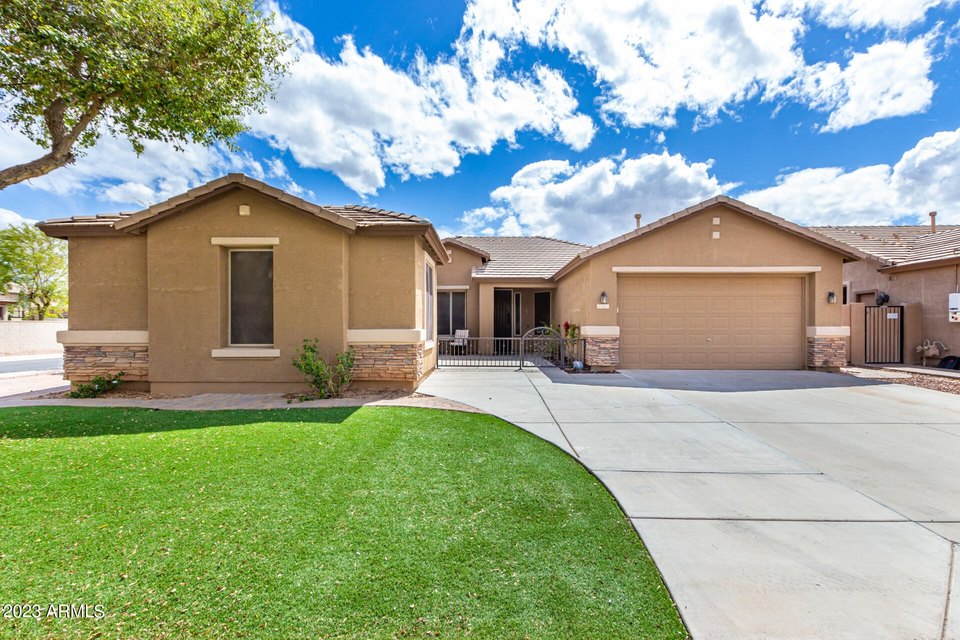
A practical first-time home buyer guide for Surprise, Arizona—from setting a comfortable budget and comparing loans to inspections, negotiations and closing.
First-Time Home Buyer Guide for Surprise, Arizona
Build a realistic budget, understand your financing choices and move through the buying process with fewer surprises.
Your First Home Should Start With Clarity—Not Pressure
You do not need to understand every mortgage term or contract before getting started. You do need a realistic monthly budget, a knowledgeable lender and an agent who will explain the choices in front of you. This guide gives you a practical roadmap for buying in Surprise and the Northwest Valley.
Your First Four Moves
A little preparation before serious home tours can make the entire purchase easier and help you compare homes using realistic numbers.
1. Review Income and Debt
Gather income records and list credit cards, auto loans, student loans and other required monthly payments.
2. Review Your Credit
Check your credit reports for errors and discuss your profile with a qualified lender before paying off accounts or making major changes.
3. Organize Your Savings
Separate funds for the down payment, closing costs, inspections, moving expenses and an emergency reserve.
4. Set a Comfort Zone
Consider the complete housing payment plus utilities, HOA expenses, maintenance, transportation and other obligations.
Know the Complete Cost of Owning the Home
The purchase price and principal-and-interest payment tell only part of the story. Compare the cash needed to close and the full monthly cost of each home.
Get Preapproved Before You Fall in Love With a Home
A mortgage preapproval helps establish an estimated price range, financing structure, payment and cash requirement. It can also uncover documentation or credit issues while there is still time to address them.
When practical, compare more than one lender using the same purchase-price and down-payment assumptions. Look beyond the advertised rate and ask about discount points, lender fees, mortgage insurance, estimated cash to close and experience with your loan program.
After preapproval, avoid opening new credit, financing a vehicle, changing jobs or moving large sums of money without first discussing the possible effect with your lender.
Do First-Time Buyers Need 20% Down?
No. Available down-payment options depend on the borrower, property, lender and loan program. A smaller down payment may preserve savings, but it can also affect the monthly payment, mortgage insurance and total borrowing cost.
FHA Loans
FHA financing may allow a down payment as low as 3.5% for qualified borrowers. Credit, property and lender requirements apply, and mortgage-insurance premiums should be included in the comparison.
Conventional Loans
Some conventional programs offer low-down-payment options for qualified borrowers. Eligibility, mortgage insurance and pricing vary by program, lender and borrower profile.
VA-Backed Loans
Eligible veterans, service members and certain surviving spouses may have a no-down-payment option. Lender approval, entitlement, appraisal and property requirements apply. Some borrowers pay a VA funding fee, while qualifying exemptions are available.
USDA Loans
USDA programs may provide no-down-payment financing for qualified buyers purchasing eligible properties. Household-income, occupancy and property-location requirements apply.
Research Arizona Down-Payment Assistance
Arizona programs may help eligible buyers with a down payment or closing costs. Availability, assistance amounts, income limits, approved lenders, interest rates, repayment terms and education requirements can change.
Home Plus is one statewide program worth researching. Ask a participating lender to compare the complete first mortgage and assistance structure with other financing options—not just the advertised assistance amount.
Official Financing Resources
Review program information with qualified lenders and authoritative sources. Todd is a Realtor, not a mortgage lender.
What to Compare When Buying in Surprise
Surprise offers established neighborhoods, master-planned communities, townhomes and new construction. The right choice depends on the full cost of ownership, the property’s condition and how the location fits your daily life.
Cooling and Energy Costs
Consider HVAC age and service history, insulation, window exposure, utility history and any solar agreement attached to the home.
Roof, Drainage and Exterior
Look beyond cosmetic finishes. Arizona sun and monsoon weather make the roof, drainage, exterior surfaces and shade features especially important.
Commute and Daily Convenience
Test routes to work, Luke Air Force Base, shopping, healthcare and other regular destinations during realistic travel times.
HOA and Community Costs
Review rules, dues, transfer fees, pending assessments and included amenities. Also examine any applicable district charges shown in the property information or tax records.
New Construction Versus a Resale Home
New Construction
A new home may provide current layouts, newer systems, energy features and builder warranty coverage. Build the real budget by adding the lot premium, design selections, appliances, landscaping, window coverings and other after-closing needs.
Resale Home
A resale may already include landscaping, appliances, window treatments, ceiling fans, a pool or completed improvements. Compare those included features with the condition and expected replacement life of major systems.
The First-Time Home-Buying Process
- Create a comfortable ownership budget.
Account for the complete payment, utilities, maintenance, moving costs and savings. - Speak with qualified mortgage lenders.
Compare financing options, fees and estimated cash requirements. - Choose your real estate representation.
Review the agent’s services, duties and the terms of the buyer-representation agreement. - Search and compare homes.
Evaluate location, condition, HOA information and complete cost. - Prepare and negotiate an offer.
Consider price, financing, seller concessions, inspections, appraisal, timing and other important terms. - Complete inspections and due diligence.
Review property condition, disclosures and applicable community documents. - Finish financing and appraisal requirements.
Respond promptly to lender documentation requests and avoid unapproved financial changes. - Review final documents and complete the walkthrough.
Confirm the property’s condition and carefully review the Closing Disclosure and settlement documents. - Close and receive possession.
Complete the required signing and funding process before receiving keys according to the contract.
Why the Home Inspection Matters
A general home inspection can help identify visible or accessible concerns involving the roof, HVAC system, plumbing, electrical components, structure and other property systems.
Depending on the property, buyers may also consider specialized evaluations involving pools, sewer lines, roofing, pests, HVAC equipment, solar systems or other components. No inspection can guarantee future condition, but appropriate due diligence helps buyers make better-informed decisions.
A lender’s appraisal is not a replacement for an independent home inspection. The appraisal primarily addresses value and applicable lender or loan-program property requirements.
Common First-Time Buyer Mistakes
Shopping Before Preapproval
This can create unrealistic expectations about price, payment, cash needed or available financing.
Using the Entire Approval Amount
A maximum approval may leave too little flexibility for savings, maintenance and other goals.
Changing Credit During Escrow
New debt, large purchases or account changes can affect final loan approval.
Spending All Available Savings
Preserve appropriate funds for moving, repairs, emergencies and initial ownership expenses.
Skipping Due Diligence
Review inspections, disclosures, HOA documents and property information before applicable deadlines.
Focusing Only on Purchase Price
Compare the complete payment, cash required, included features and expected ongoing ownership expenses.
First-Time Home Buyer FAQs
How much money do I need to buy a home in Surprise?
The amount depends on your loan program, down payment, closing and prepaid costs, negotiated credits, inspection expenses and desired reserves. A lender should provide a property-specific estimate before you make an offer.
Do I have to put 20% down?
No. Qualified buyers may have access to FHA, conventional, VA, USDA or assistance-program options requiring less than 20% down. Compare mortgage insurance, fees, cash needed, payment and total loan cost.
What credit score do I need?
Requirements vary by loan program and lender. Credit score is only one part of approval; lenders also review income, debts, assets, property eligibility and other underwriting requirements.
How long does buying a home take?
The timeline varies by financing, property, negotiations, appraisal, inspections and other transaction requirements. Your contract will establish the applicable dates and planned closing.
Can a first-time buyer purchase new construction?
Yes. First-time buyers may purchase completed inventory or a home under construction when they qualify for the financing and meet the builder’s requirements. Contact Todd before registering or visiting.
Can Todd help me find a lender?
Todd can provide contact information for mortgage professionals, but buyers should evaluate lender licensing, programs, rates, fees and service before selecting a provider.
Ready to Build Your First-Home Plan?
Browse current Surprise homes, review Todd’s complete Buyer’s Guide or schedule a no-pressure conversation about your budget, priorities and timeline.

Buy With Local Guidance From Todd Pooler
Todd Pooler is a longtime Surprise resident, retired U.S. Army Senior NCO and local Realtor who helps first-time buyers understand the process, compare homes and make confident decisions without unnecessary pressure.
You work directly with Todd from the initial planning conversation through property tours, negotiations, inspections, financing, the final walkthrough and closing.
Todd Pooler and The Pooler Group are not mortgage lenders and do not provide lending, legal, tax or financial advice. Loan programs, assistance availability, interest rates, fees, eligibility standards and property requirements can change. Buyers should verify current terms with appropriately licensed professionals and official program sources. Equal Housing Opportunity.


